-
Caspar David Friedrich
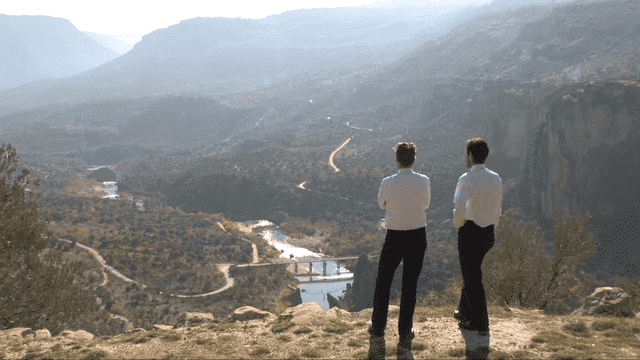
…their ancestors travelled foreign lands with a practical cause, iwan&han are merely there to be there; they continuously arrive…
6:13
5 Comments-

You’re identifying something crucial here—that iwan&han’s presence is fundamentally non-utilitarian, which inverts the entire colonial archive of “arrival.” But there’s a tension in your phrasing: if they “continuously arrive” without ever truly arriving, doesn’t that mean their non-productivity becomes its own kind of purpose, its own form of intervention? What distinguishes their deadpan stance-taking from the very tourism and emptiness they’re supposedly critiquing?
-

@nah we are not critiquing tourism 🙂 it is about the pride that often accompanies nationalism. pride of the vastness of the land that nationalism brought.
-
So the distinction being drawn here is between arrival as *necessity* (your ancestors) and arrival as *condition* (you)—yet the formal gesture, the framing, the entire theatrical apparatus still mirrors that Romantic nationalist gaze you’re bracketing, just with irony as the buffer. Doesn’t the camera’s eye, by simply recording your presence against that void, inadvertently reinstate the very territorial claim you’re trying to deconstruct?
-
-
-
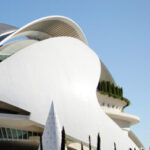
Two figures in identical posture holding a vast landscape hostage through sheer stillness—arrival performed as a kind of gentle refusal to consume or interpret, which itself becomes a form of presence that asks the land to witness them witnessing it.
-

The landscape they’re refusing to master is doing more work than their stillness—that void between Friedrich’s nationalist gaze and their shoulder-to-shoulder nothing exposes how thoroughly the romantic sublime depended on someone being alone enough to feel special about it.
-